
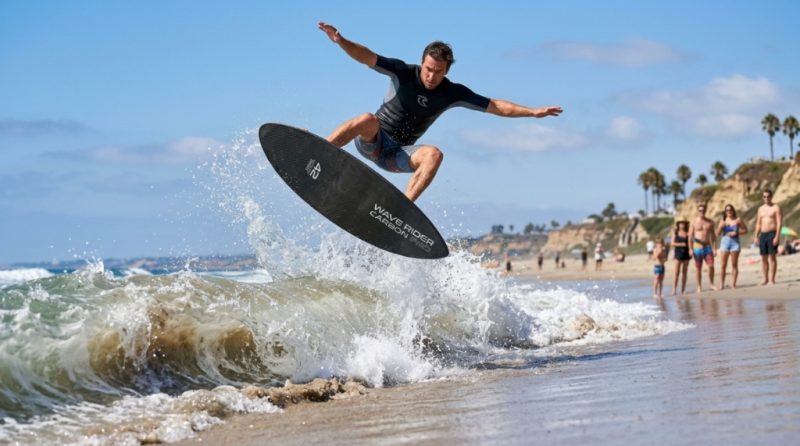
You’ve watched the videos. You’ve seen the glides, the shuv-its, and the one-footed wraps on the sandbar. You want in. But when you start shopping, the options are overwhelming—polypropylene, foam, wood, carbon fiber, and price tags that range from forty dollars to six hundred.
The truth is, picking the wrong board for your ability will make learning frustrating, dangerous, or both. If you are shopping for a board and wondering about the skimboard skill level Oregon requires for its unique wave conditions, you need a clear map from beginner to expert. This article breaks down exactly which board to buy based on your current experience, so you stop guessing and start riding.
What Defines Your Skimboard Skill Level?
Your skill level determines everything about the board you need: the material, the size, the shape, and the rocker. Skimboarding skill levels fall into three broad categories: beginner, intermediate, and advanced. Each level demands specific board characteristics to help you progress safely and efficiently. Trying to skip a level with the wrong gear often leads to injury or quitting the sport entirely.
The Three Main Skill Categories
- Beginner (0–3 months): Learning to drop, ride straight, and maintain balance on flat sand or gentle shorebreak.
- Intermediate (3–12 months): Able to catch waves, turn, and perform basic tricks like the wrap or shuv-it.
- Advanced (12+ months): Competent in steep waves, big wrap slides, aerial maneuvers, and reading water correctly.
Why Most Beginners Buy the Wrong Board
New skimmers often gravitate toward cheap wooden boards because of the low price. While wood boards work for small kids on flat sand, they become waterlogged, heavy, and impossible to control in waves. A wet wooden board can weigh over eight pounds, which makes wave riding nearly impossible. This is the most common mistake that slows progress for months.
Which Skimboard Is Best for Complete Beginners?
The best board for a complete beginner is a large, thick, polypropylene (PP) board with a flat rocker and a rounded nose. PP is buoyant, lightweight, and durable. It will not absorb water like wood, and it slides well on wet sand. Beginners need float to learn balance without sinking, and a wide surface area provides stability.
Key Features for Beginner Boards
- Length: 48 to 52 inches — longer boards are more stable.
- Width: 21 to 22 inches — wide tails prevent wobble.
- Thickness: ¾ inch or more — provides maximum buoyancy.
- Rocker: Flat or very low rocker — allows straight-line riding without nosediving.
Recommended Materials for Starters
Polypropylene (PP) is the gold standard for beginners. It is less expensive than carbon fiber but far more forgiving than wood. Some brands offer foam-core boards with a wood stringer, which also work well. Avoid any board marketed as “professional” if you cannot yet ride a wave to shore.
How Do Intermediate Skimmers Choose a Board?
Intermediate skimmers need a board that balances float and maneuverability. At this stage, you can catch small waves and want to start turning and sliding. A polypropylene or hybrid board with a slight rocker and a pointed nose works best. The board should be slightly smaller than a beginner board to allow easier rotation.
Intermediate Board Specifications
- Length: 44 to 48 inches — shorter for agility.
- Width: 20 to 21 inches — moderate width for slide control.
- Thickness: ¾ inch — still buoyant but less drag.
- Rocker: Medium rocker — helps turn in small waves without catching the nose.
Hybrid Materials for Progression
Intermediate skimmers can benefit from hybrid boards that combine a PP core with a fiberglass or carbon fiber top sheet. These boards offer more pop for tricks while retaining enough float for wave riding. Some models include a wood stringer for stiffness, which helps with rail-to-rail transitions.
What Should Advanced Riders Look For in a Skimboard?
Advanced riders need a high-performance board made of carbon fiber or epoxy with a pronounced rocker, narrow width, and sharp rails. These boards are stiff, light, and built for speed on steep waves. If you are doing barrel rides or aerial tricks, a carbon board gives you the response time you need.
Advanced Board Specifications
- Length: 40 to 44 inches — short board for maximum control.
- Width: 19 to 20 inches — narrow for tight turns and rail engagement.
- Thickness: ½ to ⅝ inch — thin for speed and reduced drag.
- Rocker: High rocker — prevents nosediving on steep faces.
Carbon Fiber Versus Epoxy
Carbon fiber boards are the lightest and stiffest, offering instant response. Epoxy boards are slightly heavier but more durable and less expensive. For competitive wave riding, carbon is preferred. For big-wave Oregon conditions, carbon boards hold up better against churning shorebreak. If you want to explore the best options for the local surf scene, check this skimboard skill level Oregon resource for curated board recommendations.
How Does the Skimboard Size Affect Performance?
Size directly affects how a board performs on sand and water. A larger board floats easier but turns slower. A smaller board turns quickly but requires better balance and timing. Matching board size to your body weight is critical for wave riding success.
Size by Rider Weight
| Rider Weight | Beginner Board Length | Intermediate Board Length | Advanced Board Length |
|---|---|---|---|
| Under 100 lbs | 46-48 inches | 42-44 inches | 40-42 inches |
| 100–150 lbs | 48-50 inches | 44-46 inches | 42-44 inches |
| 150–200 lbs | 50-52 inches | 46-48 inches | 44-46 inches |
| Over 200 lbs | 52+ inches | 48-50 inches | 46-48 inches |
Why Body Weight Matters More Than Height
Skimboard buoyancy depends on displacement. A heavier rider needs more surface area to keep the board planing on top of the water. Height is less important because the board supports weight, not vertical reach. Always use your weight, not your height, when selecting a board length.
When Should You Switch From a Beginner to an Intermediate Board?
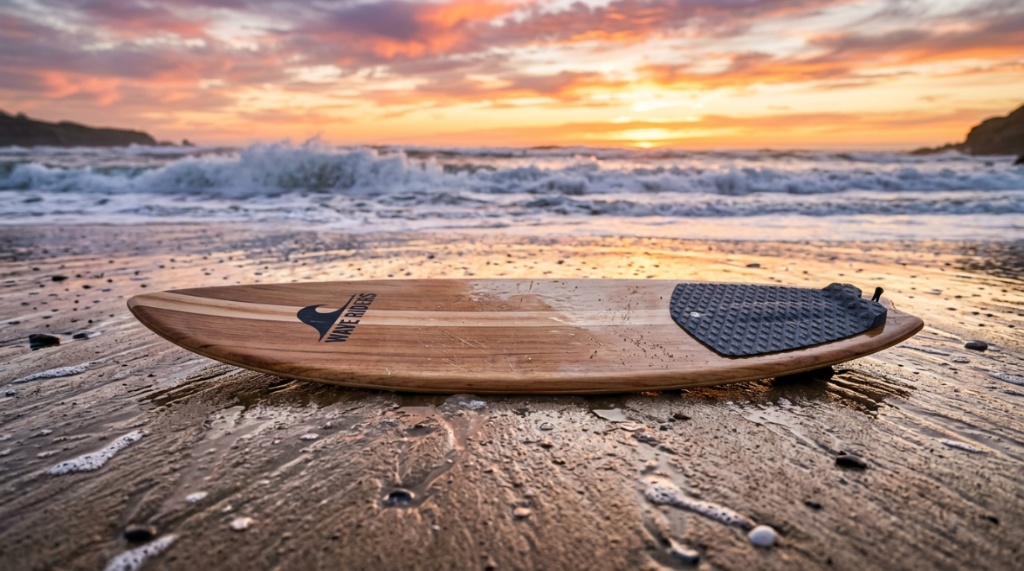
You should upgrade when you can consistently ride small waves to shore without falling and you want to start turning or sliding. If you have been riding for three months or more and feel stable on flat sand, it is time to progress. Waiting too long on a beginner board can ingrain bad habits like standing too far back on the tail.
Signs You Are Ready to Move Up
- You can drop the board and step on cleanly every time.
- You ride straight to shore without losing balance.
- You want to carve or perform a basic wrap slide.
- Your current board feels too sluggish or heavy.
Risks of Upgrading Too Early
Moving to a smaller, stiffer board before you have basic wave control can lead to falls, broken boards, and loss of confidence. Advanced boards require faster foot placement and better balance. If you still wobble on your drop, stay with your current setup for another month.
Can the Same Skimboard Work for Different Skill Levels?
In general, no. A single board cannot serve a beginner and an advanced rider well because the design compromises are too extreme. A board that offers enough float for a beginner will feel like a barge to an advanced rider. A board built for high-speed wave riding will sink like a rock under a novice.
Hybrid Boards: The Middle Ground
Some brands sell “all-around” boards that claim to work for multiple levels. These are usually medium-length PP boards with a moderate rocker. They work for intermediate riders who are still developing but will frustrate both raw beginners and seasoned pros. If you are strictly a beginner, avoid these hybrids until you have ridden at least a dozen sessions.
When One Board Can Last Through Progression
If you are a lightweight rider (under 120 lbs) with excellent athletic balance, you might start on an intermediate board and never need a beginner board. This is the exception, not the rule. Most adults need a dedicated beginner board for the first few months.
How Does the Local Break Influence Your Board Choice?
The specific beach or break where you ride dramatically affects which board will work best. Flat sand beaches require more float and a flatter rocker. Steep shorebreaks demand a board with more rocker and sharper rails. Knowing your local conditions saves you money and frustration,Once you find the perfect board for your riding style, keeping it safe between sessions is key. Investing in a Surfboard Rack That Saves Space ensures your new gear stays protected and organized without cluttering your room.
Flat Sand Versus Steep Beach Breaks
- Flat sand (gentle slope): Use a longer board (50+ inches) with a flat rocker. You need maximum glide to reach the waterline before waves break.
- Steep shorebreak: Use a shorter board (42–46 inches) with a high rocker. Steep waves require quick turning to avoid nosediving.
Cold Water and Wet Suit Considerations
If you ride in cold water, like much of the Oregon coast, a thicker wet suit adds buoyancy. This means you can ride a slightly smaller board than you would in warm water. Account for the extra float from a 4/3 or 5/4 wet suit when selecting your board volume.
What Is the Most Common Mistake When Selecting a Skimboard?
The most common mistake is choosing a board based solely on looks or brand name without considering shape, rocker, or your actual ability. Beginners frequently buy advanced-looking carbon boards because they look cool, only to find they cannot even get the board to plane on the water.
The “Pro Board” Trap
Professional skimboarders ride boards that are thin, stiff, and snappy. Those same boards feel like ice skates on loose sand for a beginner. A pro board has almost no forgiveness. One misstep and you eat sand. Always buy for your current level, not the level you aspire to reach next month.
Ignoring Your Local Sand Quality
Some beaches have fine, packed sand that allows any board to slide well. Other beaches have loose, coarse sand that requires a thicker board with better glide characteristics. Check the sand texture at your local break before buying. Loose sand demands a larger, flatter board with more surface area.
Which Skimboard Features Matter Most for Progression?
The features that help you progress include rocker angle, tail shape, and board flex. Beginners need a forgiving flex and a rounded tail. Advanced riders need a stiff flex and a squash tail for pop. Each stage of progression requires specific design elements to facilitate learning new movements.
Rocker Profiles by Level
- Flat rocker: Best for beginners riding flat sand. Provides maximum stability.
- Medium rocker: Best for intermediates learning turns. Prevents nose catching on small waves.
- High rocker: Best for advanced riders on steep waves. Allows aggressive bottom turns.
Tail Shapes and Their Purpose
- Rounded tail: Forgives bad foot placement. Ideal for beginners.
- Squash tail: Provides pop for ollies and shuv-its. Good for intermediates.
- Swallow tail: Reduces drag in the water. Best for advanced wave riders.
How to Test a Skimboard Before Buying
If possible, attend a skimboard demo day or borrow a friend’s board for a session. Many surf shops and skimboard clubs hold events where you can try multiple boards. Riding a board for twenty minutes tells you more than reading ten reviews online.
What to Look For During a Test Session
- How easily does the board plane on wet sand? If it drags, it is too small.
- Does the board wobble underfoot? A stable board should feel solid.
- Can you turn the board without dragging a foot? Test a gentle carve.
- Does the nose dive when you shift weight forward? This indicates too much rocker or not enough.
Online Buying Tips If You Cannot Test
If you must buy online, only shop from retailers that provide detailed specifications: length, width, thickness, rocker measurement, and recommended rider weight. Avoid any product page that only shows photos without numbers. Look for reviews from riders of the same skill level and weight.
Frequently Asked Questions
Can a beginner ride a carbon fiber skimboard?
No. Carbon fiber boards are too stiff, too thin, and sink under beginner weight. They require excellent balance and fast footwork. Beginners should start with polypropylene boards for buoyancy and forgiveness.
How long should a beginner skimboard be?
A beginner board should be between 48 and 52 inches long, depending on rider weight. Heavier riders need the longer end of that range. Length provides stability and helps the board plane on loose sand.
Is wood or foam better for a first skimboard?
Foam-core polypropylene boards are much better than wood. Wood boards absorb water, become heavy, and crack easily. Foam boards stay lightweight, slide better, and last longer with proper care.
When should I move to a shorter skimboard?
Move to a shorter board when you can consistently ride small waves to shore and you want to start turning or performing tricks. Typically this happens after 3 to 6 months of regular practice.
Does wave size matter when choosing a board?
Yes. Small, weak waves require a larger board with more float. Powerful, steep waves require a smaller board with more rocker and stiffness. Always match the board to the wave conditions you ride most often.
Can the same board work for flat sand and waves?
A single board can work for both if you choose a medium rocker and moderate length (46–48 inches). However, you will sacrifice peak performance in both conditions. Specialty boards always outperform all-around boards.
How much should a beginner spend on a skimboard?
Plan to spend $120 to $200 on a quality polypropylene beginner board. Anything cheaper than $80 is usually a toy-grade wood board that will hinder progress. Investing in a proper board upfront saves money in the long run.
Final Takeaway: Buy for Your Level, Not Your Aspirations
The best skimboard for you is the one that matches your current ability, your body weight, and the conditions of your local break. Beginners need big, floaty, forgiving boards. Intermediates need a balanced board that allows progression into turns and tricks. Advanced riders need precision instruments built for speed and response. Do not let aesthetics or brand hype override practical need. If you want a detailed breakdown of the best boards available for the unique conditions along the Oregon coast, explore the recommendations tied to your skimboard skill level Oregon encourages you to consider before making a purchase. Spend time on the sand, practice your drop, and let your progression dictate your next board upgrade.
