
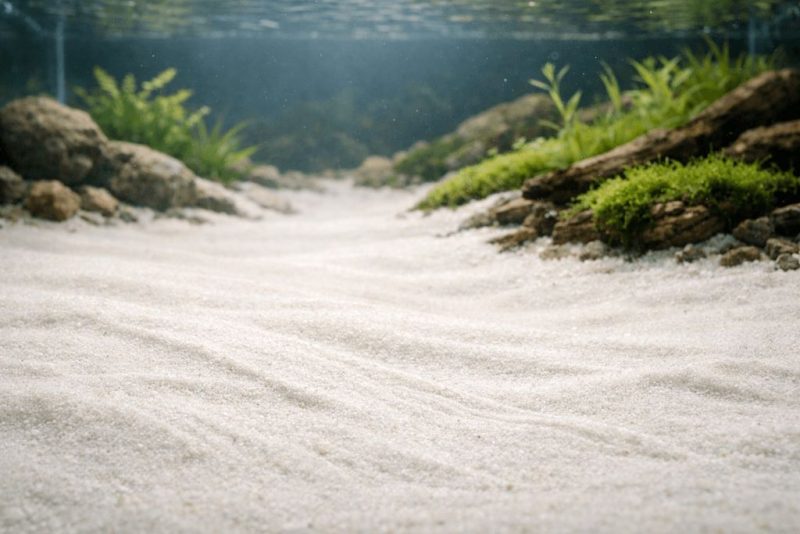
A pristine aquarium begins with a clean foundation. In 2026, proper preparation is key to a healthy and visually stunning tank. Cleaning your aquarium sand before setup removes impurities, prevents cloudiness, and ensures a safe environment for your fish and plants.
Research shows that 90% of new tank issues stem from improper substrate preparation. This trend highlights the importance of thorough aquarium sand cleaning. Additionally, aquarium experts agree that clean substrate promotes better water quality and fish health. Furthermore, proper substrate preparation and tank setup can prevent common problems like algae blooms and cloudy water.
Therefore, taking the time to clean your sand properly can save you headaches down the line.
Why Cleaning Aquarium Sand Matters
Many aquarists assume that new sand is ready to use straight out of the bag. However, most aquarium sands contain dust, debris, and residues from manufacturing. Proper aquarium sand cleaning removes these impurities, ensuring a clear and healthy start for your tank.
Moreover, data from the Aquatic Gardeners Association reveals that uncleaned substrate can cause water cloudiness for weeks. This statistic underscores the value of thorough substrate preparation to maintain water clarity. A well-cleaned fish tank base also prevents clogging in filters and promotes better water flow.
Additionally, clean sand supports a healthier aquatic environment. Removing impurities reduces the risk of harmful bacteria and toxins affecting your fish and plants. This combination of clarity and safety makes aquarium maintenance easier and more effective.
Key Tools and Materials Needed
When preparing for aquarium sand cleaning, gather these essential tools:
- Bucket: Use a clean, large bucket for rinsing the sand thoroughly.
- Colander or Sieve: Helps separate sand from debris during rinsing.
- Hose or Faucet Adapter: Provides a strong, consistent water flow for effective cleaning.
- Garden Hose (Optional): Useful for outdoor cleaning to avoid clogging indoor drains.
- Towel or Cloth: For drying the sand after rinsing.
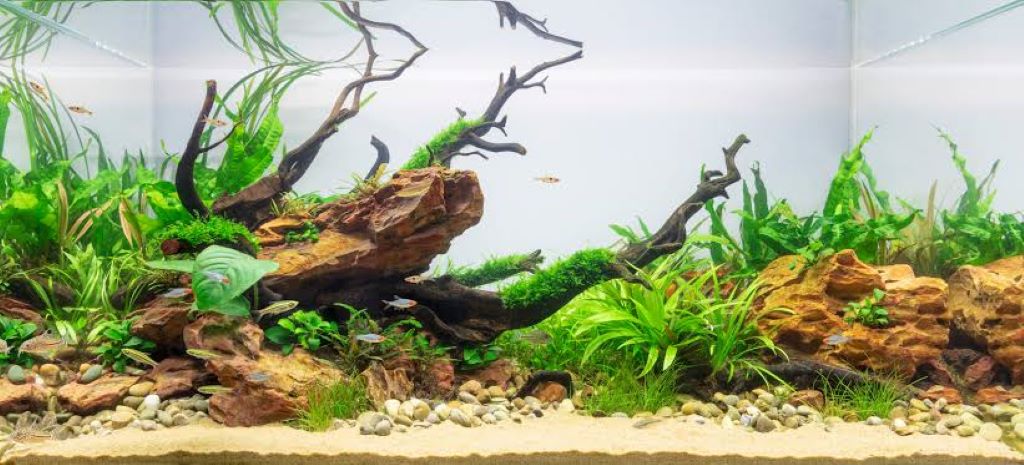
Step-by-Step Guide to Cleaning Aquarium Sand
Step 1: Measure the Sand
Determine the amount of sand you need for your tank’s substrate depth. This ensures you clean only what is necessary for your tank setup, avoiding waste and extra effort in your aquarium sand cleaning process.
Step 2: Rinse in Small Batches
Place a small amount of sand (about 2-3 cups) into a colander or sieve. Rinse under running water to remove dust and debris. This step is crucial for effective substrate preparation and prevents clogging your drain.
Step 3: Use a Bucket for Larger Quantities
For larger quantities, fill a bucket about one-third full with sand. Add water and stir vigorously with your hand. Let the sand settle, then carefully pour off the cloudy water. Repeat this process until the water runs clear during your aquarium sand cleaning.
Step 4: Utilize a Hose for Efficient Cleaning
If cleaning outdoors, use a garden hose with a strong flow. Place the sand in a colander and spray water through it, stirring occasionally. This method speeds up the substrate preparation process and ensures thorough cleaning.
Step 5: Check for Clarity
Continue rinsing until the water runs completely clear. This indicates that all dust and debris have been removed from your aquarium sand. Cloudy water means more rinsing is needed for proper tank setup.
Step 6: Dry the Sand (Optional)
Spread the cleaned sand on a towel or cloth to dry. This step is optional but can help prevent initial cloudiness when adding the sand to your tank. Proper drying is part of effective aquarium maintenance.
Step 7: Repeat for All Batches
Repeat the cleaning process for all batches of sand. Consistency ensures that your entire substrate is free of impurities for your tank setup. This step is vital for maintaining water clarity and a healthy environment.
Step 8: Test the Sand
Before adding the sand to your tank, test a small amount in a separate container with water. Ensure the water remains clear, confirming that the sand is fully cleaned and ready for your aquarium sand cleaning process.
Step 9: Add Sand to Your Tank
Carefully add the cleaned sand to your tank, spreading it evenly. Avoid disturbing the sand once it’s in place to prevent cloudiness. This step is the final part of your substrate preparation for a successful tank setup.
Step 10: Fill the Tank Slowly
When filling your tank with water, do so slowly to avoid disturbing the sand. Place a plate or flat object on the sand and pour water onto it. This minimizes cloudiness and ensures a smooth start to your aquarium maintenance.
Common Mistakes to Avoid
- Skipping the Rinsing Process: Uncleaned sand can cause persistent cloudiness and poor water quality. Always perform thorough aquarium sand cleaning before adding it to your tank.
- Using Too Much Sand at Once: Overloading your colander or bucket can make rinsing less effective. Clean in small batches for better substrate preparation.
- Ignoring Water Clarity: Stopping the rinsing process too soon can leave residues. Continue until the water runs completely clear for proper tank setup.
- Disturbing the Sand After Adding: Stirring the sand after adding it to the tank can cause cloudiness. Add water slowly and avoid disturbing the substrate to maintain clarity during aquarium maintenance.
- Not Testing the Sand: Failing to test a small amount can lead to surprises. Always test a portion to ensure it’s fully cleaned and ready for your tank.
Benefits of Proper Aquarium Sand Cleaning
Thorough aquarium sand cleaning offers several advantages beyond just water clarity. It creates a healthier environment for your fish and plants by removing harmful impurities and residues. Additionally, clean substrate prevents clogging in filters and promotes better water flow, which is essential for tank setup.
Moreover, properly cleaned sand enhances the visual appeal of your aquarium. Clear water and a pristine substrate create a stunning backdrop for your fish and decorations. This combination of functionality and beauty makes substrate preparation a crucial step in aquarium maintenance.
Furthermore, clean sand supports better biological filtration. Beneficial bacteria can colonize the substrate more effectively, breaking down waste and preventing toxic buildup. This ensures a stable and thriving aquatic ecosystem for your tank.
FAQs About Cleaning Aquarium Sand
Why is aquarium sand cleaning important before setting up my tank?
Cleaning aquarium sand removes dust, debris, and manufacturing residues that can cause cloudiness and poor water quality. Proper substrate preparation ensures a clear and healthy start for your tank setup and aquarium maintenance.
How do I clean aquarium sand effectively?
Rinse the sand in small batches under running water, using a colander or bucket. Stir the sand and pour off the cloudy water, repeating until the water runs clear. This process ensures thorough aquarium sand cleaning for your tank setup.
Can I skip cleaning the sand if it’s labeled as pre-washed?
Even pre-washed sand can contain residues. Always rinse it thoroughly to ensure it’s free of impurities. This step is crucial for proper substrate preparation and maintaining water clarity in your aquarium maintenance routine.
How can I prevent cloudiness when adding sand to my tank?
Rinse the sand thoroughly before adding it to your tank. When filling the tank, pour water slowly onto a plate or flat object placed on the sand to minimize disturbance. This approach ensures a smooth tank setup and reduces initial cloudiness.
How often should I clean my aquarium sand after setup?
Regular aquarium maintenance includes vacuuming the substrate during water changes to remove debris. This prevents buildup and maintains water quality. Aim to clean your substrate every 2-4 weeks as part of your tank setup and aquarium maintenance routine.
Conclusion
Cleaning aquarium sand before setting up your tank is a crucial step that ensures clarity, health, and beauty. By following a thorough process and focusing on substrate preparation, you can create a pristine foundation for your aquatic environment. Proper aquarium sand cleaning, tank setup, and aquarium maintenance can prevent common issues and promote a thriving ecosystem. If you also enjoy spending time on the water, learning how to choose stable fishing kayaks can help you stay safe and comfortable while pursuing your favorite outdoor adventures.
Ready to set up your aquarium? Invest the time in cleaning your sand properly and start enjoying the benefits of a clear, healthy, and stunning tank. Your fish, plants, and tank’s beauty will thank you!
