
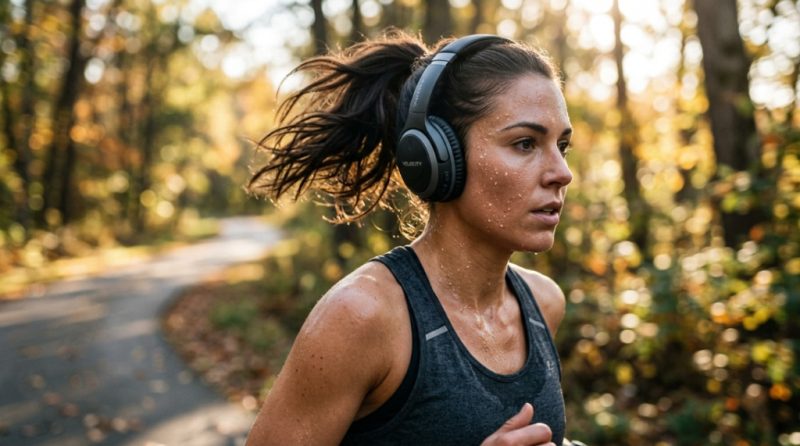
A 90-minute workout with uncomfortable headphones feels like two separate battles — one against the exercise and one against the growing ear pain, headband pressure, or overheating that splits your focus between training and tolerating your audio equipment. Fitness headphones designed for long workouts address a problem short-session products ignore entirely: sustained comfort under the combined stress of movement, heat, sweat, and duration that transforms tolerable first-minute fit into unbearable 60-minute torture. Lightweight sports headphones for extended training must feel like nothing after the first 5 minutes — because any persistent awareness of headphones during exercise is attention diverted from training intensity and form.
Fitness headphones optimized for long workouts combine: weight under 6g per earbud (barely perceptible even during fatigue), soft biocompatible materials that don’t irritate during sustained skin contact, breathable designs that prevent heat-trapped sweat buildup in the ear canal, and pressure-free retention systems that hold position without creating compression points that worsen over time.
This guide focuses specifically on the comfort dimension for workouts exceeding 60 minutes — where every gram of weight, every millimeter of pressure, and every degree of trapped heat compounds into either transparent comfort or distracting pain.
Why Does Comfort Degrade During Long Workouts Specifically?
Three factors accelerate comfort degradation during exercise that don’t exist during seated listening: increased blood flow swells ear canal tissue (tightening fit progressively), sweat reduces friction requiring you to consciously reseat earbuds (breaking focus), and body temperature rise makes sealed ear canals uncomfortably warm (creating moisture and itching).
Exercise-specific comfort degradation timeline:
| Time | What Happens | Comfort Effect | Prevention |
|---|---|---|---|
| 0–15 min | Fresh fit, body warming up | Maximum comfort — fit feels perfect | N/A — enjoy this window |
| 15–30 min | Blood flow increases, ears warm, light sweat begins | Fit may tighten slightly from tissue swelling; first awareness of warmth | Start with slightly loose fit to accommodate swelling |
| 30–60 min | Full sweat production, ear canals moistening, canal tissue fully swollen | Friction reduces (potential slippage); heat discomfort in sealed canals; pressure awareness from swollen tissue | Secure fit system (not friction-dependent); vented or breathable design |
| 60–90 min | Cumulative fatigue, sustained heat, sweat pooling in canal/cup | Active discomfort if weight/pressure/heat are present; desire to remove headphones grows | Ultra-lightweight (<6g), non-occluding design, or brief 30-second removal break |
| 90+ min | Maximum physiological stress on ear comfort system | Only purpose-designed lightweight fitness headphones remain comfortable | Bone conduction (zero canal contact) or absolute minimal-weight earbuds |
What Weight Threshold Defines Comfortable Long-Workout Headphones?
Under 6 grams per earbud is the threshold where most exercisers stop noticing headphone weight during extended training. Between 6–8g, weight becomes noticeable after 45 minutes during repetitive head movement. Above 8g, weight awareness develops within 30 minutes of high-impact exercise and becomes distracting by the 60-minute mark.
Weight classes for exercise headphones:
- Under 5g per earbud (ideal for 90+ min): Barely perceptible even during extended training. Examples: Jabra Elite 8 Active (5g), Samsung Galaxy Buds FE (5.6g). These disappear during use — weight never enters conscious awareness regardless of session length.
- 5–6g per earbud (good for 60–90 min): Comfortable for most workout durations. Barely noticeable during the first hour; mild awareness may develop at 75+ minutes during high-impact movement. Examples: Beats Fit Pro (5.6g), Sony WF-C700N (4.6g).
- 6–8g per earbud (adequate for 45–60 min): Fine for standard gym sessions but weight becomes a factor during extended training. Noticeable during running/jumping after 45 minutes. Examples: AirPods Pro (5.3g — light end), JBL Reflect Flow Pro (8.2g — heavy end of range).
- 8g+ per earbud (limit to 30–45 min): Weight actively contributes to fatigue during extended exercise. Creates downward pull noticeable during head movement. Some users report earbuds “feeling heavy” after 30 minutes of running. Not recommended for sessions exceeding 45 minutes.
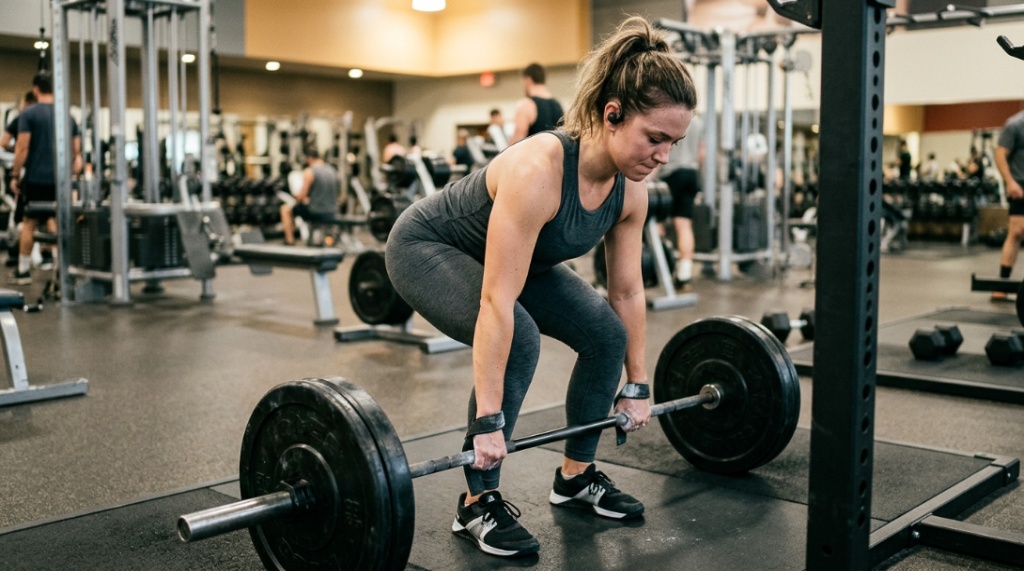
Which Headphone Types Are Most Comfortable for Extended Training?
Bone conduction headphones provide the longest comfort duration for exercise (zero ear canal contact eliminates all canal-related comfort issues). Among earbuds, ultra-lightweight true wireless with secure wing-tip retention offers the best combination of audio quality and extended comfort. Over-ear headphones are least comfortable for long workouts due to weight and heat accumulation.
- #1 Bone conduction (unlimited comfort duration): Nothing enters or touches your ears. Zero canal fatigue, zero heat buildup, zero sweat-in-canal issues. The only headphone type with no inherent comfort time limit for exercise. Trade-off: reduced bass and sound quality. Best for runs exceeding 90 minutes where comfort > audio quality.
- #2 Ultra-light true wireless with wings (90+ minutes): Sub-6g earbuds with flexible silicone wingtips distribute retention force across the concha rather than concentrating it in the ear canal. Less canal pressure = less swelling awareness = longer comfort. Best for gym sessions wanting good sound + extended comfort.
- #3 Standard true wireless, properly sized (60–75 minutes): Relying solely on ear tip canal friction for retention. Comfortable initially but canal swelling and moisture reduce comfort progressively. Adequate for standard gym sessions but limited for extended training.
- #4 Over-ear sport headphones (45–60 minutes maximum): Weight (250–300g) causes crown fatigue, sealed cups trap heat generating sweat, and the physical bulk interferes with certain exercises. Not recommended for workouts exceeding 60 minutes regardless of padding quality.
For extended workout comfort testing across form factors, the lightweight sports headphones review provides hourly comfort ratings measured during real training sessions.
How Do You Prevent Ear Canal Heat Buildup During Exercise?
Choose earbuds with vented designs that allow minimal air exchange, use smaller ear tips (less canal occlusion = more airflow), or switch to open-fit or bone conduction designs that don’t seal the canal at all. Complete ear canal occlusion during exercise creates a warm moisture chamber that causes itching and discomfort within 30–45 minutes of intense training.
Heat management strategies:
- Vented earbud design: Some sport earbuds include small vent holes that exchange air without significantly reducing noise isolation. This prevents the sealed-chamber heat effect. Check product descriptions for “vented” or “pressure equalization” features.
- Smaller ear tips: One size down from your “perfect seal” still provides adequate retention while allowing minimal air movement past the tip. Slightly less bass (reduced seal) but significantly less heat buildup during long sessions.
- Open-ear / bone conduction: Complete elimination of canal sealing. Zero heat buildup. Maximum ear ventilation. The nuclear option for heat-sensitive exercisers. Trade-off: reduced sound isolation from environment.
- Periodic brief removal: During rest periods (between sets, water breaks), remove earbuds for 30 seconds. This ventilates the ear canal, reduces moisture accumulation, and extends comfortable wearing duration by resetting the heat cycle.
What Materials Feel Best Against Skin During Extended Sweaty Exercise?
Medical-grade silicone (hypoallergenic, smooth, non-irritating) and memory foam (conforming, soft, absorbs micro-moisture) are the most comfortable materials for exercise ear contact. Hard plastics, rough silicone blends, and uncoated metal cause irritation within 30 minutes of sustained sweaty contact during movement.
- Medical-grade liquid silicone: Smoothest skin contact. Non-porous (doesn’t absorb bacteria-feeding moisture). Warms to body temperature quickly (no cold-insertion shock). Standard on premium sport earbuds. Hypoallergenic for sensitive ears.
- Memory foam tips (Comply Sport): Conforms to ear canal precisely. Slightly absorbent (manages micro-moisture). Creates the most comfortable seal with least pressure. Needs replacement every 2–3 months due to moisture absorption degrading foam integrity.
- Thermoplastic elastomer (TPE): Softer than standard silicone, more flexible. Used in some premium wing-tip designs. Good skin comfort during sustained contact. Less durable than silicone long-term.
- Materials to avoid for exercise: Hard ABS plastic (creates pressure hot spots), glossy/smooth plastic (zero friction when sweaty — causes slipping), metal (cold initially, conducts heat from electronics to skin), and textured rubber (can irritate during repetitive movement friction).
How Do You Find the Right Fit for Both Security AND Long-Duration Comfort?
The right exercise fit balances security (not falling out) against pressure (not causing pain) — achieved by using secondary retention (wings/hooks that carry the security load) while using the loosest ear tip that maintains adequate seal. This distributes forces across multiple points rather than relying solely on tight canal friction.
Fit optimization for extended comfort + security:
- Choose wing-tip or hook retention: These carry the “stay in place” load through cartilage anchoring rather than canal friction. This lets you use a LOOSER ear tip than otherwise needed — reducing canal pressure significantly without sacrificing retention.
- Test with one-size-down tips first: With wing/hook providing security, try smaller tips. If they stay sealed during exercise, you’ve found the minimum-pressure configuration. More comfort, same security.
- Adjust wing/hook tension: Flexible wings should tuck into the concha with gentle pressure — not forcefully wedging. If you have to push hard to seat the wing, it’s the wrong size. Try a different wing size (many models include multiple sizes).
- Walk-test before workout-test: 5 minutes of vigorous head-shaking, jumping jacks, and jogging in place reveals fit security without committing to a full workout. If they dislodge during this pre-test, adjust before wasting a training session.
What About Headband/Bone Conduction for Maximum Long-Workout Comfort?
Bone conduction headphones (Shokz OpenRun series) provide the ultimate long-workout comfort because they eliminate ALL ear canal contact issues — no heat, no sweat, no pressure, no canal fatigue regardless of duration. The trade-off (reduced bass and sound isolation) is acceptable for many long-session trainers who prioritize comfort and awareness over audio immersion.
- Shokz OpenRun ($129) — Marathon runner favorite: 26g total weight. 8-hour battery. IP67. Sits on cheekbones without touching ears. Runners report comfortable wear through 3–4 hour training runs without any sensation of wearing headphones. Adequate audio for podcasts and motivation music.
- Shokz OpenRun Pro ($179) — Best bone conduction sound: Enhanced bass processor partially addresses the bass limitation. 10-hour battery. IP55. Same comfortable bone-contact fit with improved audio quality for music enjoyment during training.
- Best for: Outdoor runners, ultra-distance trainers, cyclists, anyone training 90+ minutes who prioritizes comfort and environmental awareness over bass-heavy audio immersion.
If you gym in a noisy environment, excellent noise cancellation keeps you in the zone. In fact, active noise cancellation technology has evolved past the gym environment entirely—even BOSE creates headphones that cancel the annoying snoring of your partner, making them an incredible investment for both deep focus and recovery sleep.
Conclusion
Comfortable fitness headphones for long workouts prioritize three things above all else: weight under 6g per earbud (imperceptible during extended training), secondary retention systems that don’t rely on tight canal friction (wings/hooks carrying security load), and ventilation or minimal-occlusion designs that prevent the heat-moisture spiral causing canal discomfort after 30–45 minutes. For sessions exceeding 90 minutes, bone conduction eliminates all canal comfort concerns entirely. For gym sessions of 60–90 minutes, ultra-lightweight wingtip earbuds provide the best combination of sound quality and extended comfort. No headphone should compete with your workout for attention — if you’re aware of them at the 60-minute mark, they’re the wrong choice for long-session training.
Find lightweight sports headphones tested for hourly comfort during real workouts at the fitness headphones comfort guide with per-hour comfort ratings measured during actual training.
How long are your typical workouts and when do headphones start bothering you? Share your comfort breaking point in the comments for recommendations that extend your comfortable listening beyond that threshold.
Frequently Asked Questions
Why do my ears hurt after wearing earbuds at the gym?
Three possible causes: ear tips too large (creating excessive canal pressure that swelling worsens), earbuds too heavy (gravitational pull causes fatigue during movement), or sealed canal heat buildup (moisture and warmth creating irritation). Try: smaller tips, lighter earbuds, or vented/bone-conduction alternatives. If pain persists across multiple products, your ear canals may be sensitive to any insertion during exercise — bone conduction eliminates this entirely.
Are bone conduction headphones good enough for gym music?
For motivational music and podcasts during training: yes. For critical music listening with deep bass: no. Bone conduction delivers adequate rhythm, clear vocals, and sufficient energy for training motivation — but lacks the visceral bass impact of sealed earbuds. Most gym-goers find the comfort trade-off worthwhile for sessions exceeding 60 minutes where ear fatigue otherwise degrades the experience.
How do I stop earbuds from getting sweaty and gross during workouts?
Wipe immediately after every workout (before sweat dries and crystallizes). Clean ear tips weekly with mild soap and water. Allow full air-drying before storing in a sealed case. Replace silicone tips every 3–4 months and foam tips every 2–3 months. The “gross” factor comes from bacteria feeding on dried sweat — preventing moisture accumulation prevents bacterial growth.
Can I wear headphones for a 2-hour gym session?
With the right headphones: yes. Ultra-lightweight earbuds (under 6g) with wing retention remain comfortable for 2 hours during varied gym training. Bone conduction headphones handle 2+ hours effortlessly. Standard earbuds relying on canal friction alone become uncomfortable at 60–75 minutes for most users. Product choice determines whether 2 hours is comfortable or painful.
Do foam ear tips work better than silicone for long workouts?
For comfort: yes — foam conforms to canal shape reducing pressure points. For retention: yes — foam’s friction exceeds silicone when wet. For durability: no — foam degrades faster from moisture exposure (replace every 2–3 months vs 6+ months for silicone). For long workouts, foam’s comfort and retention advantages outweigh its shorter lifespan. Budget $10–$15 quarterly for foam tip replacement.
What’s the lightest workout earbud available?
The Sony WF-C700N at 4.6g per earbud is among the lightest with ANC. Without ANC, some models reach 3.5–4g. Among specifically sport-rated earbuds, the Jabra Elite 8 Active (5g) and Samsung Galaxy Buds FE (5.6g) combine competitive weight with sport-grade durability. Anything under 5g delivers near-imperceptible weight during extended exercise.
