
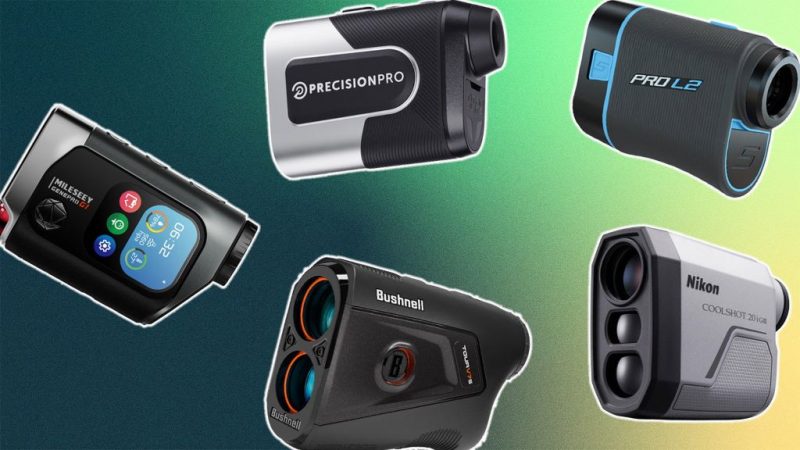
Golfers know that precision can make or break a game. In 2026, over 60% of amateur golfers use rangefinders to improve accuracy. However, not everyone wants to spend hundreds on premium models. A well-chosen rangefinder can shave strokes off your score without emptying your wallet.
The market is flooded with options, but not all deliver on promises. A budget golf rangefinder can offer the same core features as high-end models. Additionally, a golf distance finder should prioritize accuracy, ease of use, and durability. This buying guide will help you navigate the choices and find the best fit for your game.
Why a Rangefinder Matters for Your Game
Accuracy is the primary reason golfers invest in rangefinders. Studies show that using a rangefinder can improve distance judgment by up to 30%. This leads to better club selection and more confident shots. Therefore, even a budget model can significantly enhance your performance.
However, not all rangefinders are equal. Some struggle with consistency, especially in varying light conditions. Others lack the durability to withstand regular use on the course. Therefore, choosing the right device requires careful consideration of your needs and playing style.
Additionally, rangefinders speed up play. No more pacing off distances or guessing yardages. This keeps the game moving and reduces frustration. A reliable golf distance finder can also help you track progress over time.
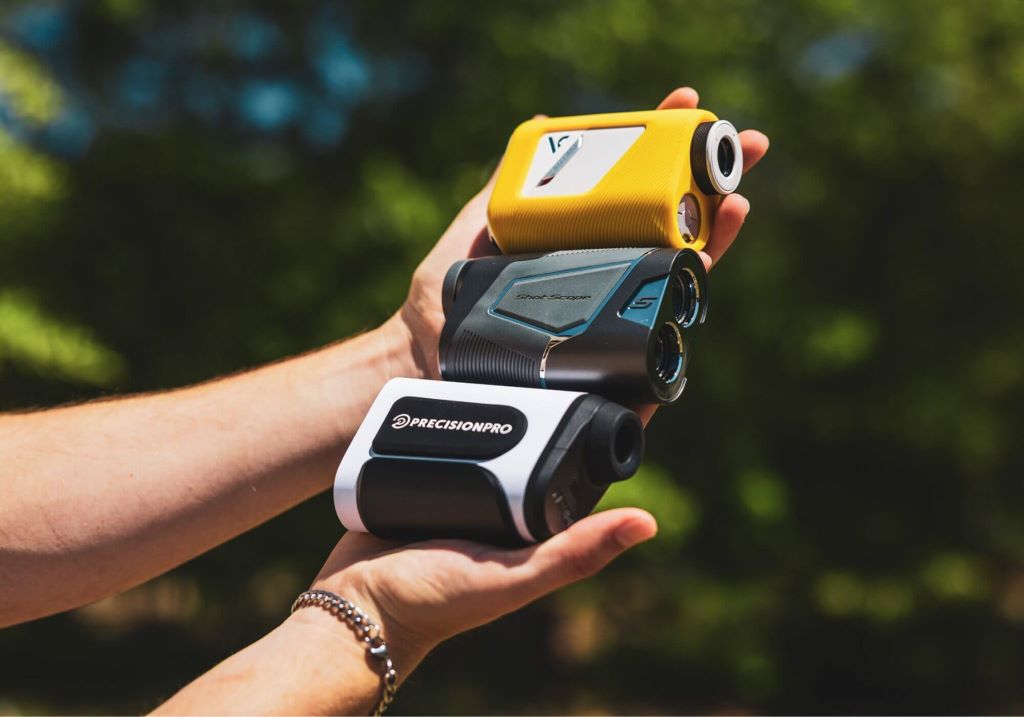
Key Features to Look For
Accuracy
Accuracy is non-negotiable for any rangefinder. Look for models that provide measurements within ±1 yard. Laser rangefinders typically offer the highest precision. GPS-based devices may sacrifice some accuracy for convenience but are still reliable for most amateur golfers.
Ease of Use
A rangefinder should be intuitive and quick to operate. Look for a device with a clear display and simple controls. Additionally, consider the size and weight. A compact, lightweight model is easier to carry and use throughout your round.
Battery Life
Battery life is crucial for a device you rely on during every round. Look for rangefinders with long-lasting batteries or rechargeable options. Some models offer battery life indicators to prevent unexpected shutdowns mid-round.
Durability
Durability ensures your rangefinder lasts season after season. Look for water-resistant or waterproof models to handle rain and dew. Additionally, a rugged design with shock-resistant features can protect against drops and bumps.
Magnification
Magnification enhances visibility, especially for laser rangefinders. A 6x magnification is standard and sufficient for most golfers. However, higher magnification can help with spotting targets at greater distances.
Slope Compensation
Slope compensation adjusts yardages based on elevation changes. This feature is particularly useful for hilly courses. However, note that slope-adjusted distances are not legal in tournament play. Therefore, consider whether you need this feature for casual rounds.
Display Quality
A clear, bright display is essential for reading distances in various light conditions. Look for models with high-contrast screens and adjustable brightness. Additionally, some rangefinders offer red or black display options for better visibility.
Price
Price is a major factor for many golfers. A budget golf rangefinder can cost as little as $100. However, spending a bit more often yields better accuracy and additional features. Set a budget and prioritize the features that matter most to you.
Laser vs. GPS Rangefinders
Laser rangefinders use a laser beam to measure distances to specific targets. They offer pinpoint accuracy and work on any course. However, they require a steady hand and clear line of sight to the target. Additionally, they may struggle in foggy or rainy conditions.
GPS rangefinders use satellite data to provide distances to preloaded course landmarks. They are quicker to use and often come with course maps. However, they require course downloads and may have subscription fees. Additionally, they are less precise for measuring to specific hazards or pins.
Therefore, the choice depends on your priorities. Laser rangefinders excel in precision and versatility. GPS models offer convenience and speed. Consider your typical playing conditions and preferences.
Common Mistakes to Avoid
One common mistake is prioritizing price over performance. A cheap rangefinder may save you money upfront but cost you in accuracy and reliability. Therefore, balance your budget with the features you need.
Another mistake is ignoring ease of use. A complex device can slow you down and frustrate you on the course. Look for intuitive controls and clear instructions. Additionally, test the rangefinder before purchasing if possible.
Not considering battery life can also lead to disappointment. A rangefinder with short battery life may leave you without distances mid-round. Look for models with long battery life or easy replacement options.
Finally, overlooking durability can result in a short-lived investment. A fragile rangefinder may not survive a season of regular use. Therefore, prioritize sturdy construction and weather resistance.
FAQs About Golf Rangefinders
What is the most important feature in a golf rangefinder?
Accuracy is the most important feature. A rangefinder that provides precise distances will improve your club selection and shot confidence. Look for models with ±1 yard accuracy.
Are budget golf rangefinders worth it?
Yes, many budget models offer excellent accuracy and features for the price. They can provide significant value for amateur golfers. However, ensure the model you choose meets your specific needs.
How do I choose between laser and GPS rangefinders?
Laser rangefinders offer pinpoint accuracy and work on any course. GPS models provide quick distances and course maps but may require subscriptions. Consider your priorities for precision, speed, and convenience.
Can I use a rangefinder in tournament play?
Yes, but with restrictions. USGA rules allow rangefinders in tournaments, but they must not measure slope or other conditions. Always check the specific rules of the competition.
How do I maintain my rangefinder?
Clean the lenses regularly with a soft cloth. Store the device in a dry, safe place when not in use. Replace batteries as needed and follow the manufacturer’s care instructions.
Conclusion
Choosing the best affordable golf rangefinder in 2026 requires balancing accuracy, features, and price. A budget golf rangefinder can offer the same core benefits as premium models. Focus on the features that enhance your game and fit your budget.
Now it’s time to take action. Assess your needs and set a budget. Research models that fit your criteria and read reviews from other golfers. Test a few options if possible to find the best fit for your game.
Invest in a rangefinder that will serve you well on the course. Here’s to lower scores and more enjoyable rounds in 2026!
Featured Image Source
