
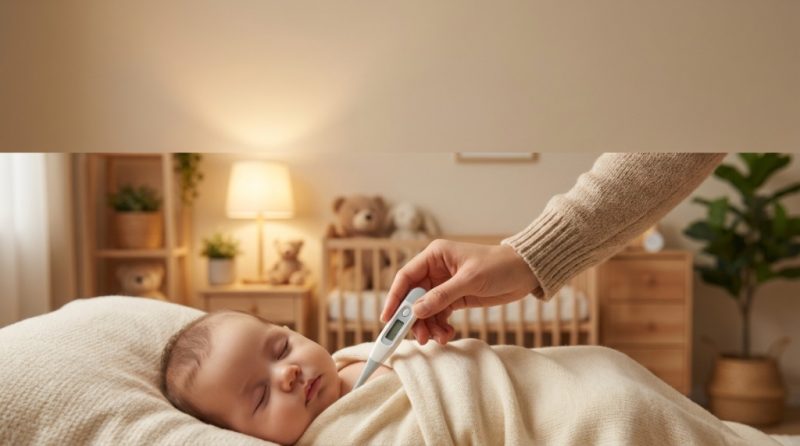
At 3 a.m., a baby’s forehead can feel hotter than a sun-warmed pillow, yet that warmth alone doesn’t mean a fever. The quickest way to know if your baby’s temperature is actually a fever is to measure it with a reliable thermometer and compare the reading with age-specific medical guidelines. For most babies, a rectal temperature of 100.4°F (38°C) or higher is considered a fever. Understanding what counts as normal, when to worry, and how to measure temperature correctly can prevent unnecessary panic and help parents act quickly when medical care is needed. This guide explains exactly how to tell if your baby’s temperature is actually a fever, using evidence-based recommendations, a practical baby fever chart, and a complete guide to infant fever for parents.
What Is Considered a Fever in Babies?
Direct answer: A fever in babies is generally defined as a body temperature of 100.4°F (38°C) or higher when measured rectally.
Fever is not an illness itself. It is a natural response by the immune system when the body detects infection, inflammation, or other health conditions. In babies, accurate measurement matters because even a small temperature increase can be medically significant, especially in newborns.
Healthcare professionals often consider three factors:
- The baby’s exact temperature reading
- The method used to measure temperature
- The baby’s age and overall symptoms
A slightly warm forehead, flushed cheeks, or sweating does not automatically indicate a fever. The only reliable way to confirm one is with a thermometer.
Parents looking for accurate temperature monitoring tools can also review this guide to choosing a dependable baby thermometer to improve measurement accuracy at home.
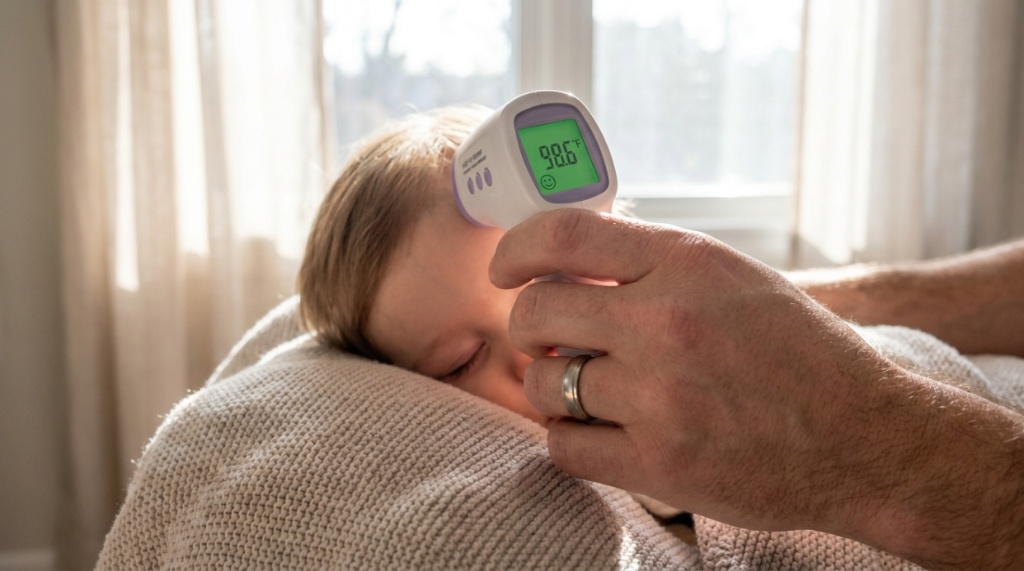
What Is a Normal Baby Temperature?
Direct answer: A normal baby temperature typically ranges between 97°F (36.1°C) and 100.3°F (37.9°C), depending on the measurement method and time of day.
Many parents assume normal body temperature is always 98.6°F (37°C). In reality, body temperature naturally fluctuates throughout the day.
Normal Baby Temperature Chart
| Measurement Method | Normal Range | Fever Threshold |
|---|---|---|
| Rectal | 97.9°F–100.1°F (36.6°C–37.8°C) | 100.4°F (38°C) or higher |
| Oral | 95.9°F–99.5°F (35.5°C–37.5°C) | 100°F (37.8°C) or higher |
| Ear | 96.4°F–100.4°F (35.8°C–38°C) | 100.4°F (38°C) or higher |
| Forehead (Temporal) | 96.4°F–100.4°F (35.8°C–38°C) | 100.4°F (38°C) or higher |
| Armpit | 96.6°F–98.8°F (35.9°C–37.1°C) | 99°F (37.2°C) or higher |
This baby fever chart helps parents distinguish between a normal baby temperature and a true fever reading.
How Can You Measure Your Baby’s Temperature Accurately?
Direct answer: The most accurate method for infants under 3 months is a digital rectal thermometer.
Accurate readings are critical because treatment decisions often depend on precise temperature measurements.
Best Temperature Methods by Age
- Birth to 3 months: Rectal thermometer
- 3 months to 3 years: Rectal, temporal artery, or ear thermometer
- Older toddlers: Oral thermometer may be appropriate
Digital thermometers provide fast and reliable readings. Mercury thermometers are no longer recommended because of safety concerns.
Common Measurement Mistakes
- Taking a reading immediately after a bath
- Checking temperature after heavy swaddling
- Improper thermometer placement
- Using an inaccurate or outdated thermometer
- Failing to follow manufacturer instructions
Waiting 15 to 20 minutes after bathing or feeding can improve reading accuracy.
What Temperature Is Dangerous for a Baby?
Direct answer: Any fever in a baby younger than 3 months requires prompt medical evaluation, and temperatures above 104°F (40°C) need immediate attention regardless of age.
Age matters significantly when assessing fever risk.
When to Contact a Doctor Immediately
- Baby younger than 3 months has a temperature of 100.4°F (38°C) or higher
- Temperature reaches 104°F (40°C) or higher
- Difficulty breathing
- Persistent vomiting
- Signs of dehydration
- Seizures or unusual movements
- Extreme lethargy
- Unresponsiveness
According to pediatric healthcare guidance, newborns have immature immune systems, making infections potentially more serious than in older children.
What Symptoms Usually Accompany a Baby’s Fever?
Direct answer: Fever may occur alongside irritability, poor feeding, fatigue, congestion, cough, or changes in sleep patterns.
A temperature reading provides only part of the picture. Observing your baby’s behavior is equally important.
Common Fever Symptoms
- Warm skin
- Flushed cheeks
- Increased fussiness
- Reduced appetite
- Sleepiness
- Runny nose
- Cough
- Mild shivering
Some babies remain playful despite a fever, while others become noticeably uncomfortable. The overall condition of the child often provides more information than the temperature number alone.
Can a Baby Have a Fever Without Other Symptoms?
Yes. Some infections initially present with fever alone before additional symptoms develop. This is particularly common during the early stages of viral illnesses.
Can Teething Cause a Fever?
Direct answer: Teething may cause a slight increase in temperature but generally does not cause a true fever above 100.4°F (38°C).
This is one of the most common misconceptions among parents.
Research has shown that teething can produce mild discomfort, gum irritation, drooling, and slight temperature elevations. However, temperatures meeting the medical definition of fever should not automatically be blamed on teething.
Signs More Likely Related to Teething
- Chewing on objects
- Swollen gums
- Excess drooling
- Mild irritability
Signs That Suggest Illness Instead
- High fever
- Persistent cough
- Vomiting
- Diarrhea
- Extreme fatigue
If a baby develops a confirmed fever, consider infection or illness rather than assuming teething is responsible.
What Causes Fever in Babies?
Direct answer: Most baby fevers result from viral infections, though bacterial infections, vaccinations, and inflammatory conditions can also raise body temperature.
Fever is the body’s natural defense mechanism. Higher temperatures help the immune system fight pathogens more effectively.
Common Causes
- Common cold viruses
- Influenza
- COVID-19
- Ear infections
- Urinary tract infections
- Respiratory infections
- Roseola
- Post-vaccination immune response
Less Common Causes
- Meningitis
- Sepsis
- Autoimmune conditions
- Serious bacterial infections
An infant fever guide should always emphasize that the cause matters less initially than recognizing when professional medical evaluation is needed.
How Should You Care for a Baby With a Fever at Home?
Direct answer: Keep your baby hydrated, monitor symptoms closely, dress them comfortably, and follow your pediatrician’s guidance regarding medication.
Many fevers can be safely managed at home while monitoring for warning signs.
Helpful Home Care Tips
- Offer breast milk or formula regularly
- Encourage fluid intake in older infants
- Use lightweight clothing
- Maintain a comfortable room temperature
- Allow extra rest
- Track temperature changes
What Should You Avoid?
- Ice baths
- Alcohol rubs
- Overbundling blankets
- Giving medication without proper dosing guidance
Fever-reducing medications such as acetaminophen may be recommended depending on age and medical advice. Always verify dosage with a healthcare provider.
When Should Parents Worry About a Baby Fever?
Direct answer: Parents should worry when fever is accompanied by concerning symptoms, occurs in very young infants, or persists longer than expected.
Many viral fevers resolve within several days. However, some situations require urgent assessment.
Red Flag Symptoms
- Difficulty waking up
- Blue lips or skin
- Severe dehydration
- Persistent crying that cannot be soothed
- Stiff neck
- Rash that does not fade when pressed
- Breathing problems
- Convulsions
Trust your instincts as a parent. If your baby appears significantly different from normal behavior, professional medical advice is appropriate regardless of the temperature reading.
How Can You Tell the Difference Between Mild Fever and Emergency Fever?
Direct answer: Mild fever typically occurs with normal responsiveness and adequate hydration, while emergency fever involves severe symptoms, very high temperatures, or vulnerable age groups.
| Situation | Usually Monitor | Seek Medical Care |
|---|---|---|
| Temperature 100.4°F–102°F | Yes | If symptoms worsen |
| Temperature above 104°F | No | Yes |
| Baby under 3 months | No | Yes |
| Normal feeding and hydration | Often yes | Monitor |
| Difficulty breathing | No | Immediate care |
| Seizure activity | No | Emergency care |
Conclusion
The simplest way to determine whether your baby’s temperature is actually a fever is to use a reliable thermometer and compare the reading against established pediatric guidelines. A rectal temperature of 100.4°F (38°C) or higher generally indicates fever, while normal baby temperature varies slightly depending on age and measurement method. Understanding the baby fever chart, recognizing warning signs, and following an evidence-based infant fever guide allows parents to respond confidently rather than relying on guesswork.
Remember that fever itself is usually a sign that the immune system is doing its job. Focus on your baby’s age, behavior, hydration status, and accompanying symptoms when deciding whether medical attention is necessary. For the most accurate readings and better monitoring, reviewing a trusted baby thermometer buying resource can help ensure you have the right tool available when you need it most. If you are ever unsure, contact your pediatric healthcare provider for personalized guidance.
Frequently Asked Questions About Baby Fever
What temperature is officially considered a fever in a baby?
A rectal temperature of 100.4°F (38°C) or higher is generally considered a fever in babies and infants.
Is 99°F a fever for a baby?
Usually not. Depending on the measurement method, 99°F may still fall within the normal range. Always consider the thermometer type and your baby’s symptoms.
Can a baby feel hot without having a fever?
Yes. Warm weather, extra clothing, physical activity, or recent crying can temporarily make a baby feel warmer without causing a true fever.
How often should I check my baby’s temperature during a fever?
Checking every 4–6 hours is often sufficient unless directed otherwise by a healthcare provider or if symptoms change significantly.
Should I wake a sleeping baby to check for fever?
If the baby is sleeping comfortably and has no concerning symptoms, frequent waking may not be necessary. However, newborns or sick infants may require closer monitoring.
How long can a fever last in babies?
Many viral fevers last between one and three days. Persistent fever beyond several days should be discussed with a healthcare professional.
Can vaccinations cause a fever in babies?
Yes. Some babies develop a mild temporary fever after routine vaccinations as the immune system responds. This usually resolves within a short period.
